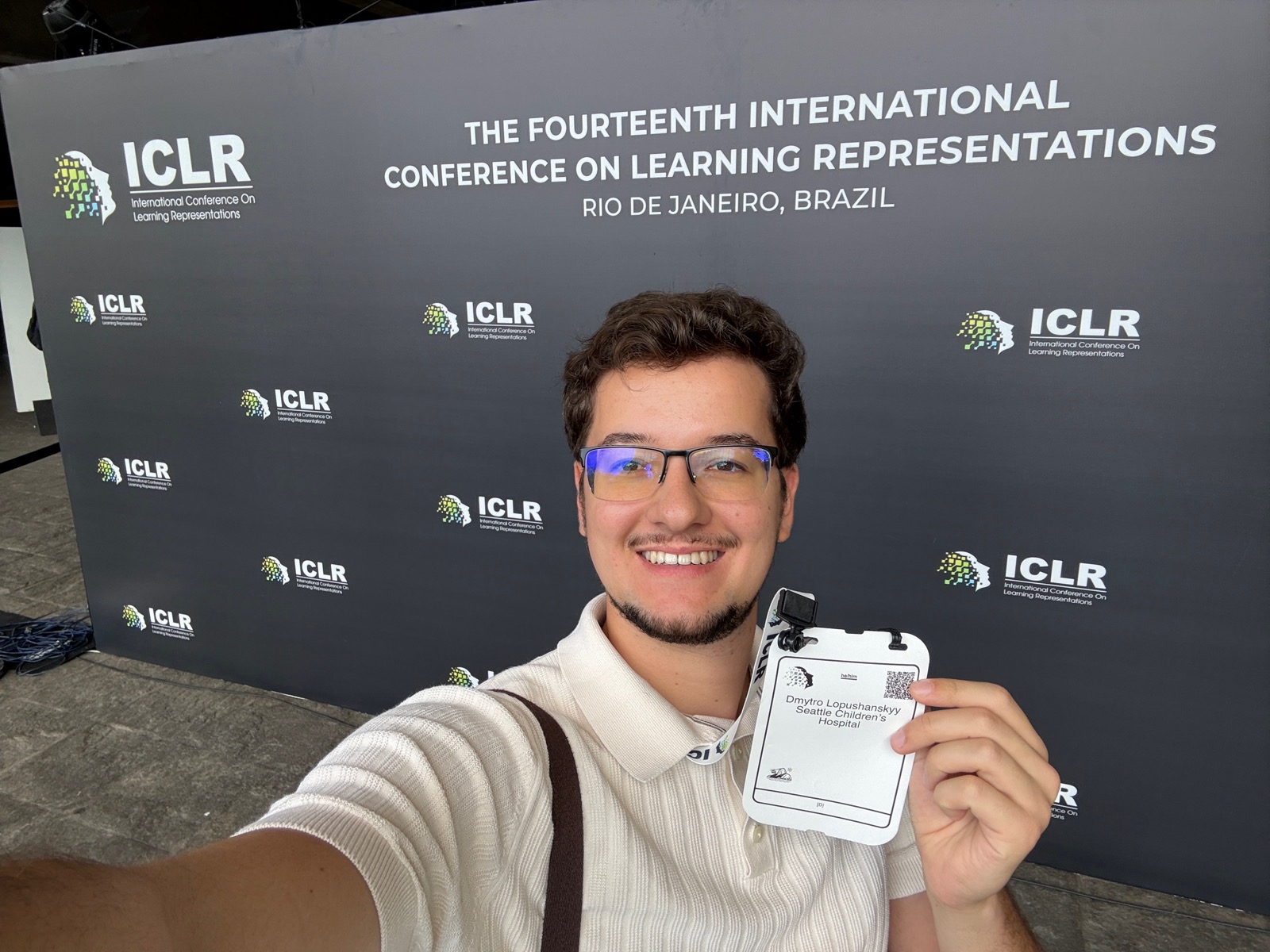
Apr 2026 · Rio de Janeiro
International Conference on Learning Representations
At ICLR, presenting and connecting with the learning-representations community.
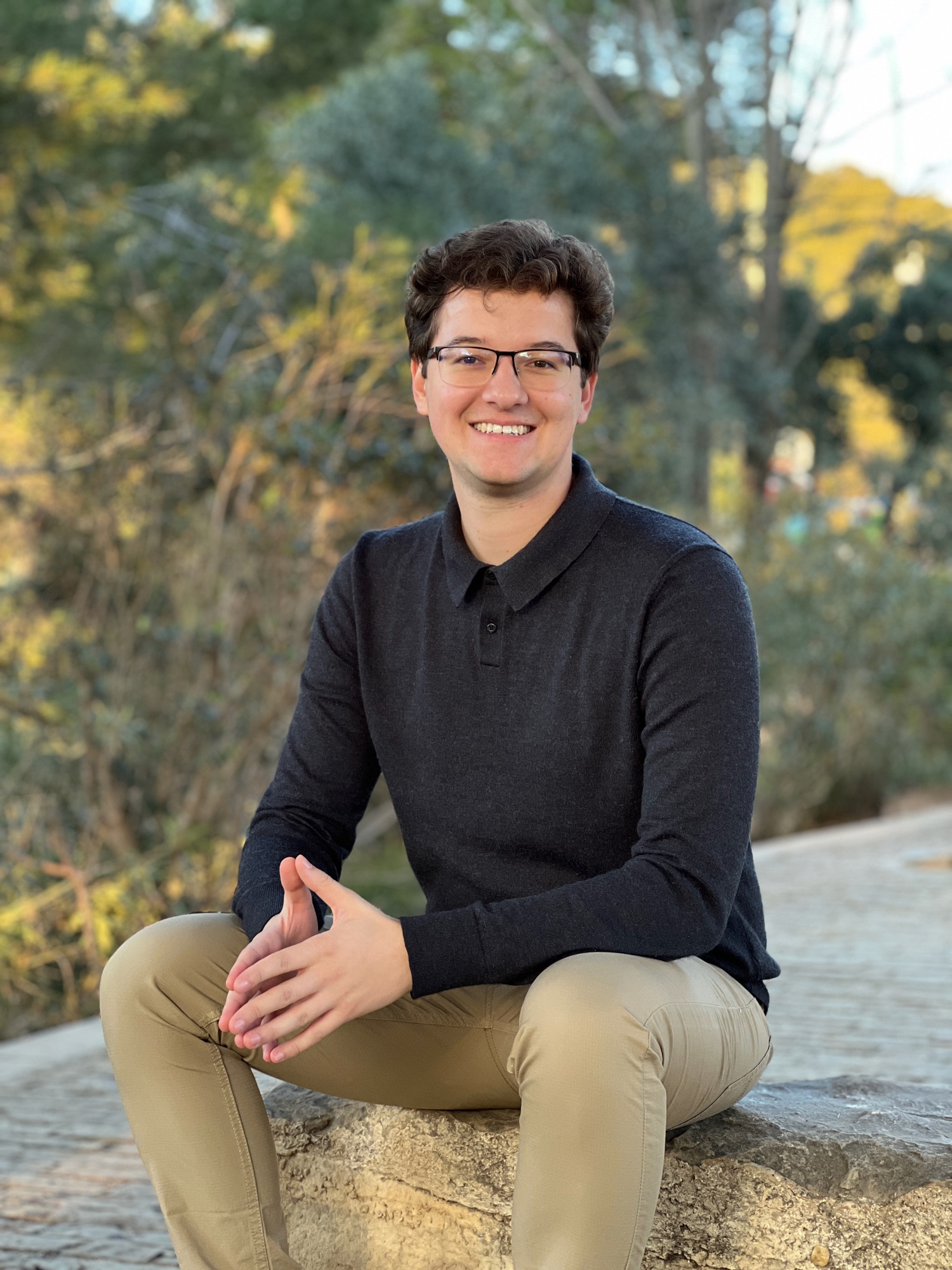
I am an AI researcher and entrepreneur working at the intersection of clinical care, machine learning, and large-scale health data infrastructure. I currently serve as an AI Technical Lead at Seattle Children's Hospital, where I build and deploy real-time AI systems that support our critical care teams.
My passion is developing technology that helps save lives. I believe the most profound benefits of AI will come in healthcare, so my work centers on bringing the gains of advanced AI into the messy reality of care, in a way that reaches as many people as possible.
I am a builder at heart, and over the years I have made a wide range of things — from a venture-backed AI company to a patented assistive device for the visually impaired.
University of Oxford
MSc, Advanced Computer Science · Keble College
University of Toronto
Undergrad, Computer Science
Seattle, WA
Lviv, Ukraine 🇺🇦
I believe AI is going to make the biggest impact in healthcare, and I am working hard to build that future.
People often ask me how AI can benefit a children's hospital. Here is one of my projects: a real-time health tracker and digital twin that continuously monitors every physiological signal of our patients.
Fitness trackers turn raw data into recovery scores, strain, and physiological trends — actionable insights, automatically. Hospitals have nothing like that. Clinicians in the ICU manually assess 100+ real-time measurements: ECG waveforms, blood pressure, oximetry, ventilation, perfusion. They're expected to derive insight from all of it, plus years of patient history and the details of the current stay.
It's overwhelming. And when a child's cardiovascular state can shift in minutes, manual monitoring isn't good enough.
So my team builds AI that does what fitness trackers do for athletes — but for clinicians caring for children who need specialty care, at far greater clinical depth and precision. Foundation models that read ECGs and generate explainable medical rationales. Mechanistic models that infer hidden cardiovascular states like contractility and vascular tone from waveform data. Changepoint detection that flags rhythm disruptions in real time.
All designed for transparency. All built to support clinical judgment, and undergoing rigorous validation. The goal is simple: give clinicians the situational awareness they need when seconds matter.
An AI Business Assistant and team management platform. A proactive AI manager that builds context across your company and helps teams prepare work, follow up, and keep operations moving — without the overhead. Paired with a recommendation engine for multimodal content search.
Team raised $1.5M so far
harmix.ai ↗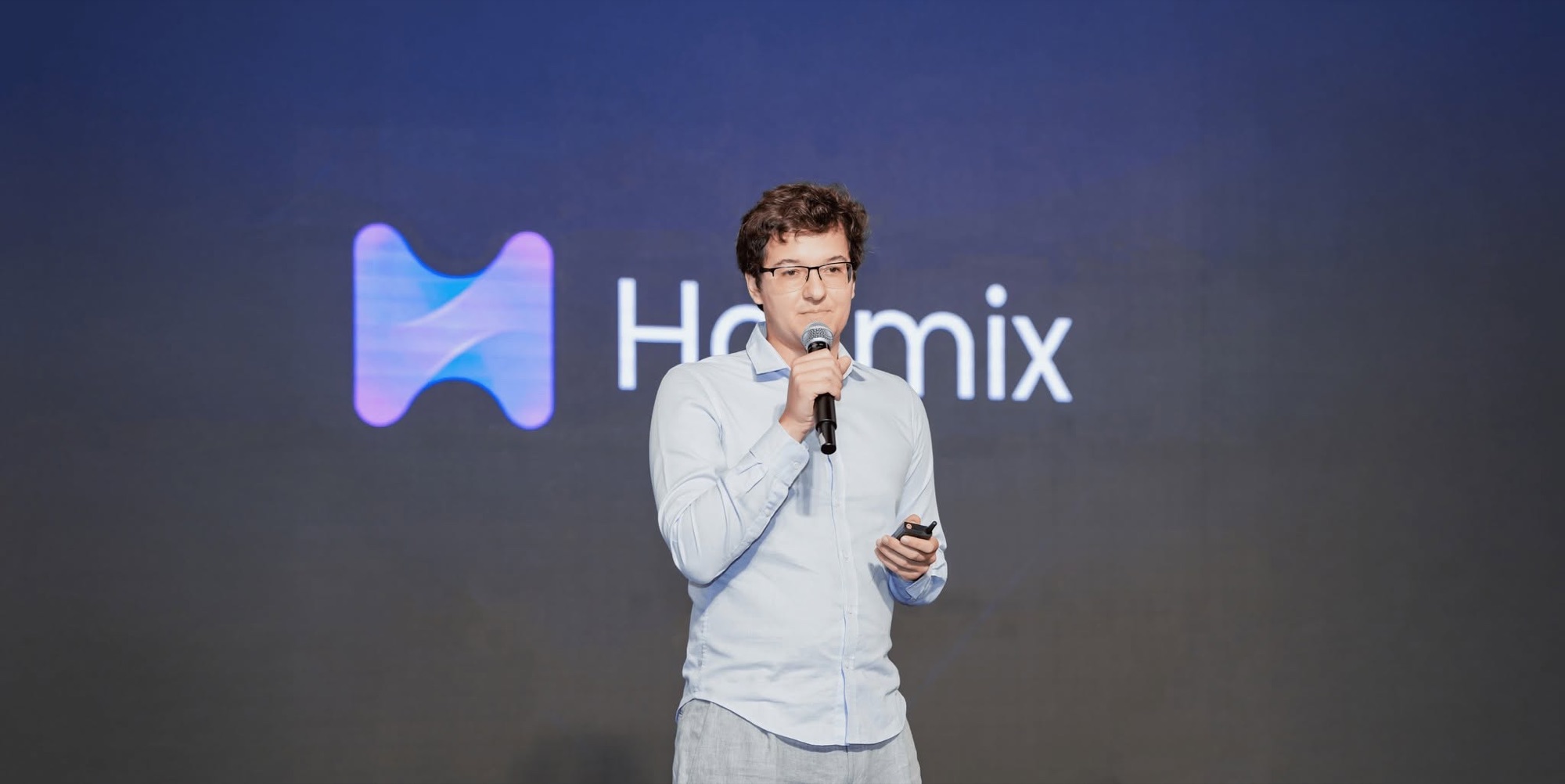
Dmytro Lopushanskyy, Borun Shi
S. Nagaraj, A. J. Goodwin, D. Lopushanskyy, et al.
Dmytro Lopushanskyy, Sergiy Sumnikov
At ICLR, presenting and connecting with the learning-representations community.
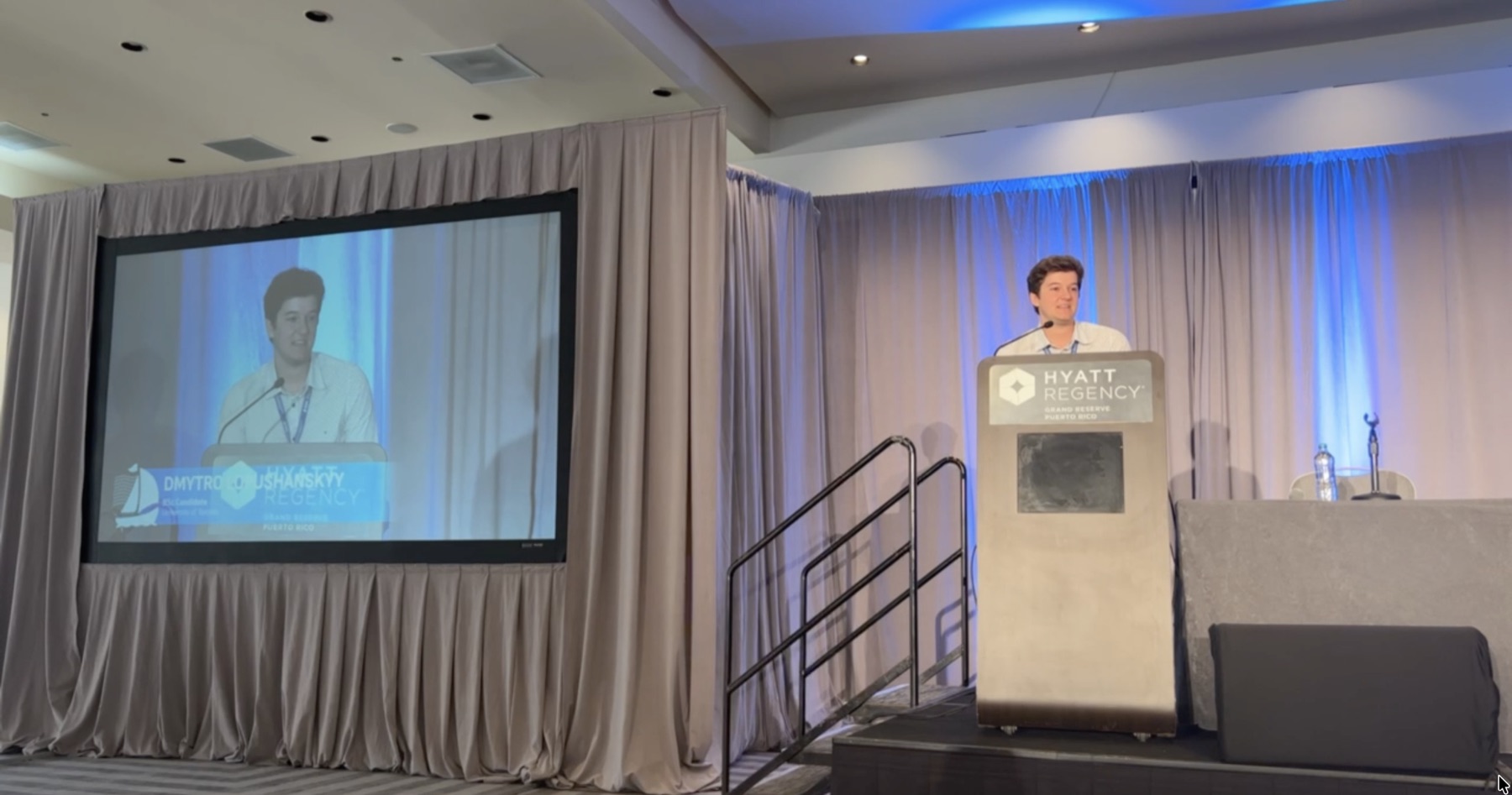
Presenting our real-time changepoint detection model for pediatric cardiac monitoring at the Symposium on AI for Learning Health Systems.
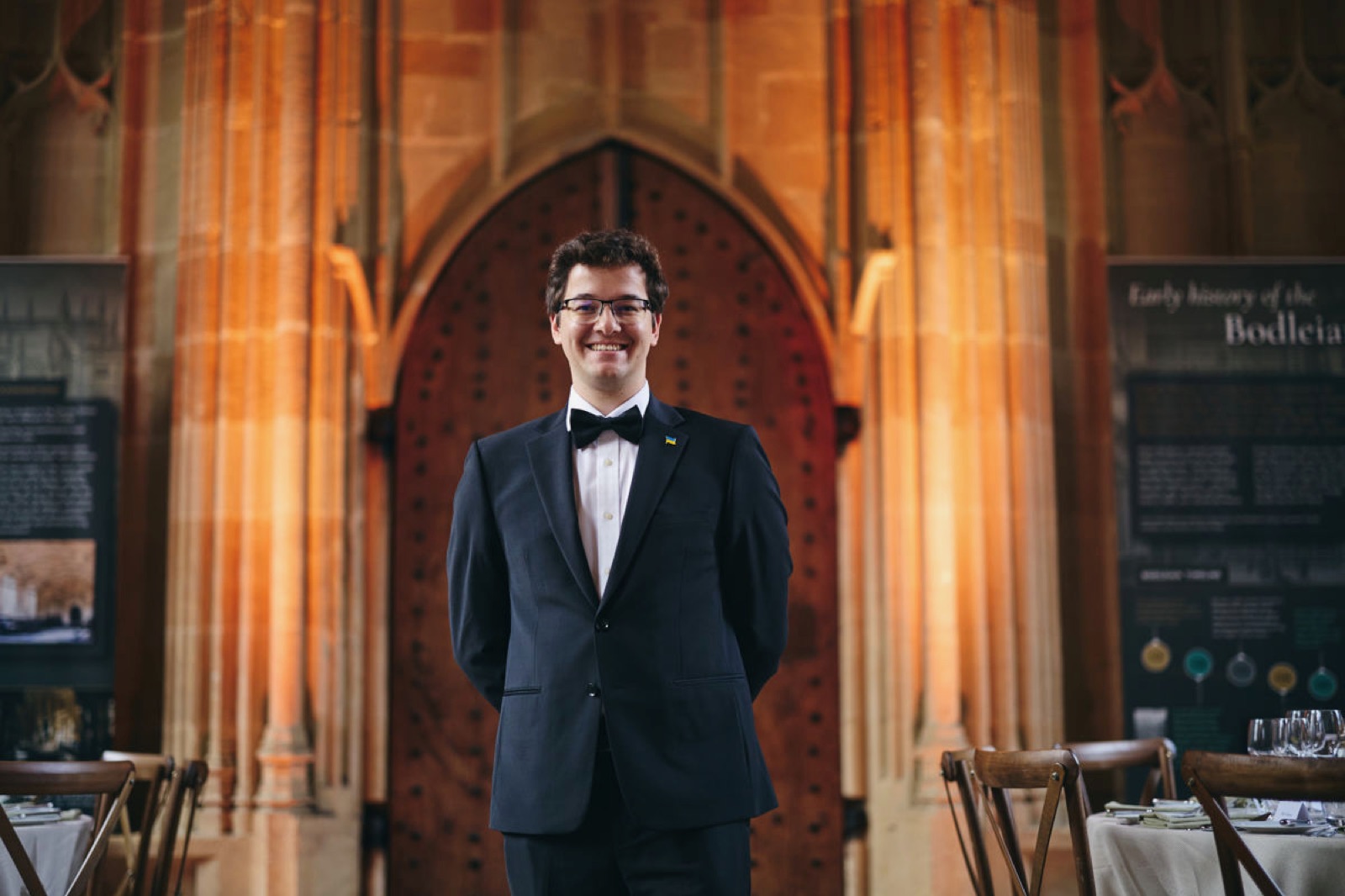
Granted EB-1A recognition as an individual of extraordinary ability in Computer Science.
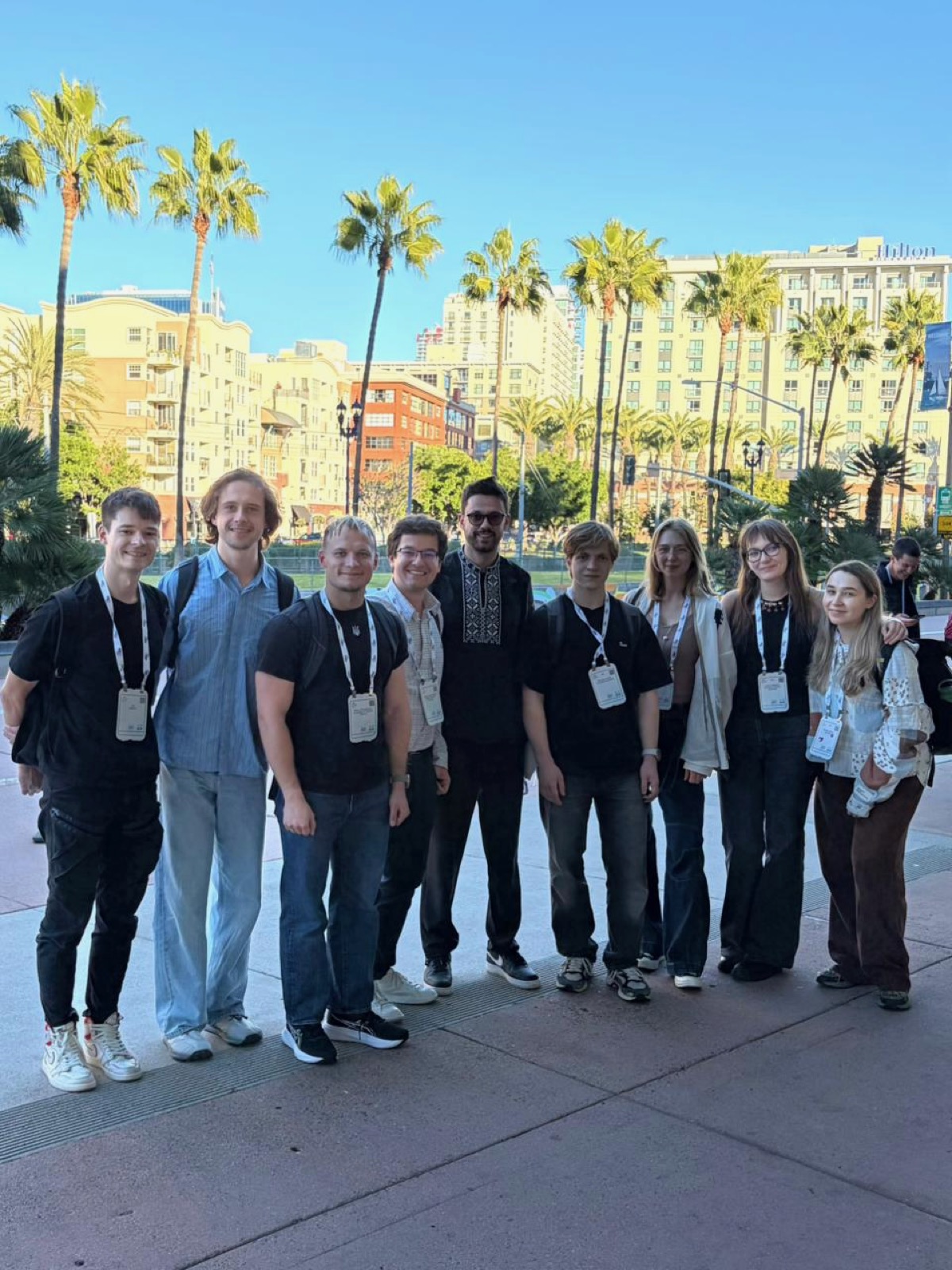
With the growing community of Ukrainian researchers at NeurIPS.
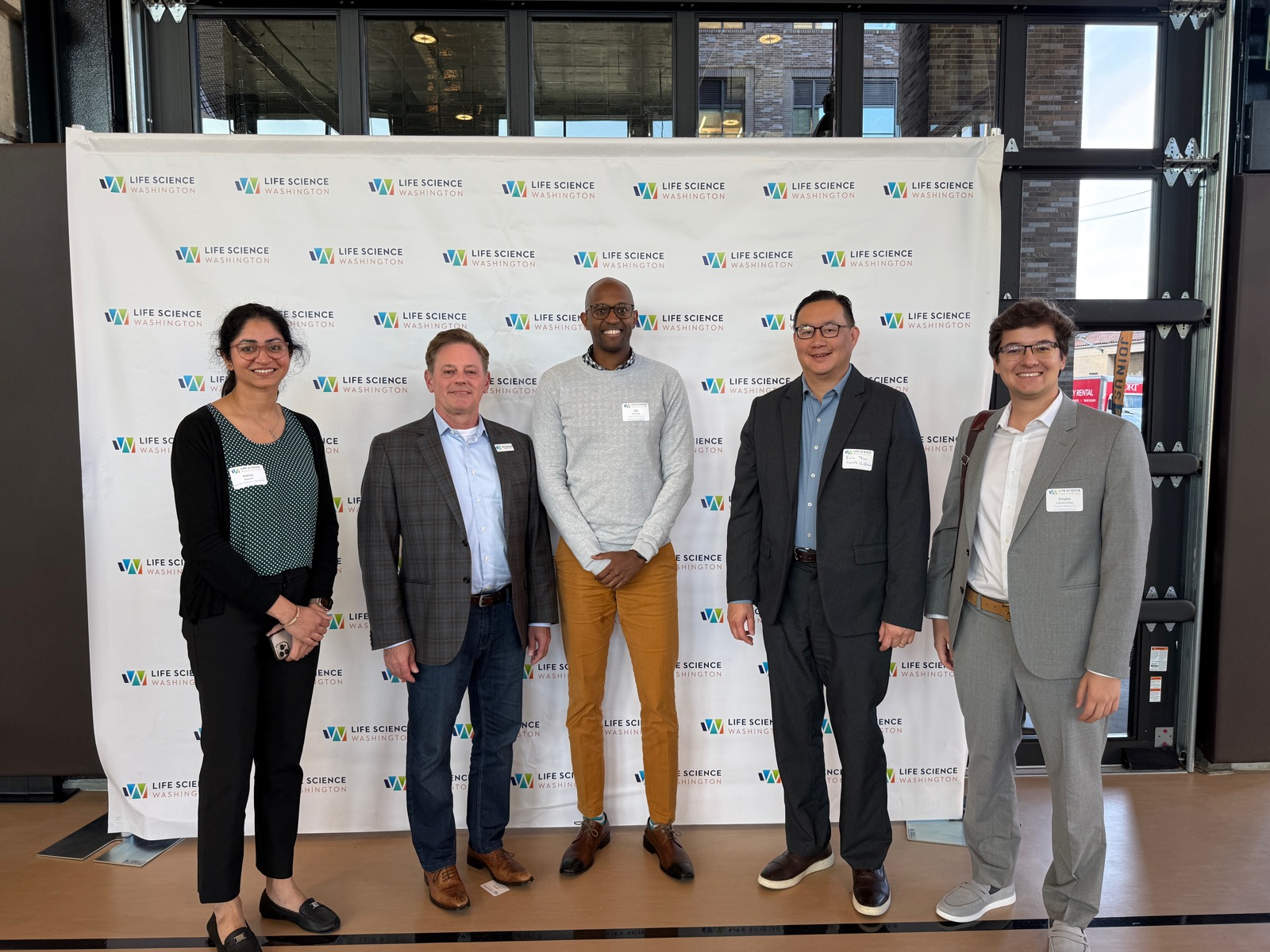
At the Life Science Washington AI Forum.
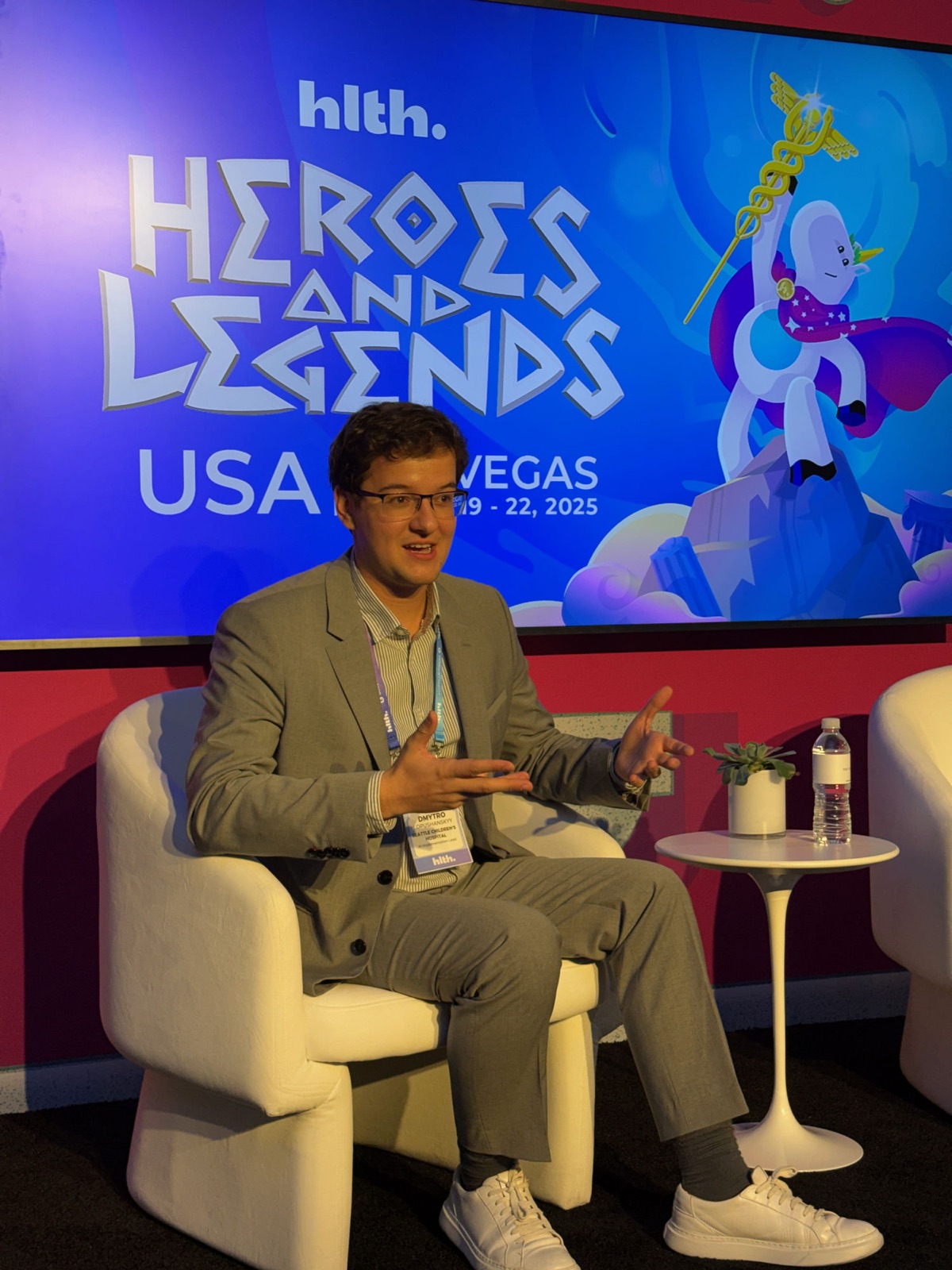
Attending HLTH, one of the largest healthcare innovation conferences.
Most of my free time goes to the outdoors — surfing, skiing, kayaking, and long days on the trail.